Föreläsare
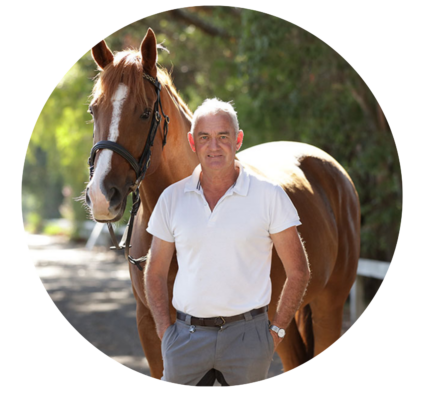
Dr Andrew McLean is an internationally recognised expert in equitation science, horse training and horse behaviour. He is the founder of Equitation Science International and has played a leading role in developing evidence-based approaches to horse training, with a strong focus on learning theory, communication, rider–horse interaction and horse welfare. With a background as both a scientist and an experienced horseman, Dr McLean has contributed extensively to education, research and practice in the field of equitation science. His work has helped make scientific principles of horse training more accessible and applicable to riders, trainers and educators across disciplines.
At the Horse Welfare Summit 2026, Dr McLean will contribute his broad expertise on how humans influence horses through training, communication and decision-making, and how a better understanding of learning and behaviour can support improved horse welfare.
Dr Russell MacKechnie-Guire is a researcher in equine biomechanics and the founder of Centaur Biomechanics. His research focuses, among other areas, on the interaction between horse, saddle and rider, equine back function during ridden exercise, rider asymmetry and how equipment and training approaches affect the horse’s movement, health and performance. Russell MacKechnie-Guire is also affiliated with Hartpury University and works as a consultant for the British Equestrian Federation’s World Class Team GBR programme.
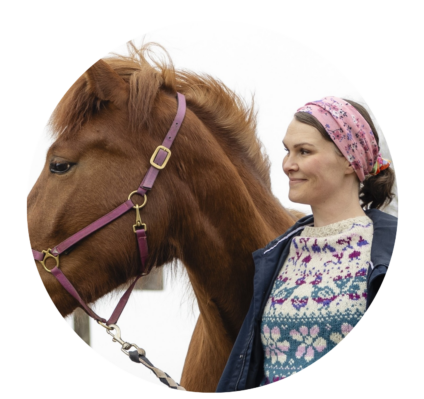
Essi Wallenius is an equine welfare researcher at the University of Helsinki, Finland, and a project specialist at a Finnish equine vocationalcolleg(Kpedu),with a particular interest in turning welfare science into practical tools for horse owners and professionals. Her work focuses on animal-based welfare assessment and on how horses themselves can tell us whether their management and living environment meets their needs. She is currently working towards her PhD at the University of Helsinki, with research focusing on human–horse interactions and behavioural indicators.
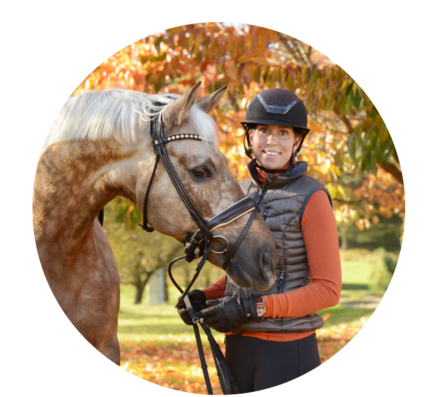
Nina Hofmann Küppers is a former Swedish national team dressage rider, entrepreneur and neuro-based high-performance coach. With a background in elite sport and more than 20 years of entrepreneurship, she works with athletes, leaders and teams at the intersection of performance, neuroscience, behaviour and sustainable high performance.
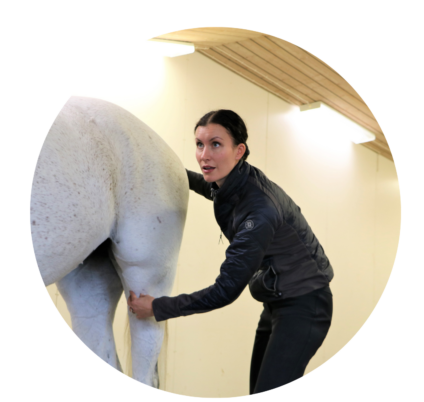
Isabell Fredricson is a veterinarian who also compåtees in showjumping in S-level wich gives her an interesting insight from both a veterinarian and riders perspective. She takes part of a lot of research projects and works closely with her husband Jens Fredricson and many other riders in the work of keeping their horses sound and performing on top level. Some of her passions are asymmetries and heatlh care for horses.
Therese Waerner studied Equine Science at Flyinge from 2005 to 2007. Today, she is a Senior Lecturer at the Swedish School of Sport and Health Sciences (GIH) and holds a PhD in Sport Science. Her research focuses on children’s rights, pedagogy and leadership, with her doctoral thesis exploring young equestrians’ participation rights.
At HWS, Therese will present research on horse welfare and cultures of silence – exploring why people sometimes choose not to speak up when they have concerns, and how we can create environments where people feel safe and encouraged to do so.Alongside her academic work, Therese is also a riding instructor and teaches both children and adults.
Lovisa Broms, PhD in Sport Science at Malmö University, is particularly interested in how developments in media are influencing equestrian sport. Both Hedenborg and Broms are involved in the project Giving the Horse a Voice, where they investigate how pupils and students perceive horses’ agency and learning.
Susanne Lundesjö Kvart, PhD in Philosophy, as a former riding instructor she is interested in the pedagogical situation during riding lessons and how the “equestrian feel” can be taught and learned. Her research focuses on the interaction between riding teacher, rider and horse during riding lessons using for example a conversation-analytical perspective in combination with interviews.
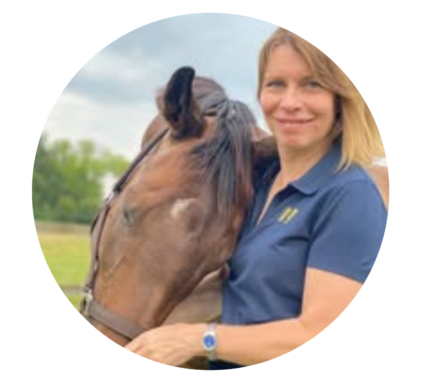
Dr Linda Kjellberg has a PhD in Animal Science and works at the national equestrian centre Strömsholm. There she teaches in Horse Science and conducts research, mainly on horse welfare and housing.Dr Linda Kjellberg and Turid Buvik will present an international research project with the aim to investigate how to contribute to improved horse welfare by increasing people’s awareness and deeper understanding of what a horse is, choices when given a chance and its cognitive abilities in cooperation with humans. Linda will focus on the outcome of learning process among the horses of being taught the Symbol-method by students and challenges to reach the final step. Turid will show how to initiate teaching a horse the Symbol-method, and how to collaborate with the horse doing so in practice.
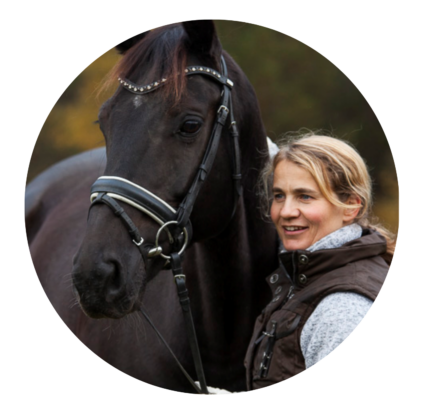
Turid Buvik thrives working with animals as colleagues, which results in a strong focus on animal welfare, and in publications of pioneering work with the major research organisations in Norway like the Cancer dogs, Arctic pollution dogs, Oil-snifferdogs and Blanket method. “ I am deeply grateful for every second my animals want to spend with me and cooperate as my ally
Dr Linda Kjellberg and Turid Buvik will present an international research project with the aim to investigate how to contribute to improved horse welfare by increasing people’s awareness and deeper understanding of what a horse is, choices when given a chance and its cognitive abilities in cooperation with humans. Linda will focus on the outcome of learning process among the horses of being taught the Symbol-method by students and challenges to reach the final step. Turid will show how to initiate teaching a horse the Symbol-method, and how to collaborate with the horse doing so in practice.
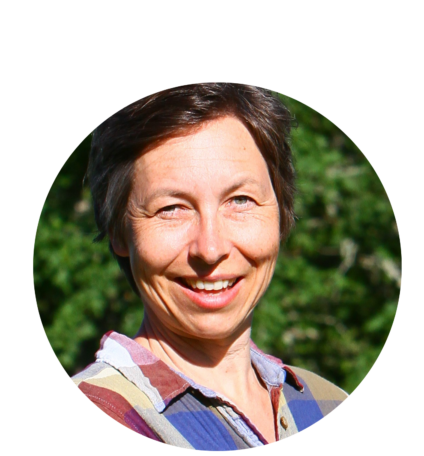
Elke Hartmann is Associate Professor in Ethology at the Swedish University of Agricultural Sciences (SLU), specialising in equitation science and horse welfare. Her research focuses on horse behaviour, learning and emotional states, human–horse interactions, and the effects of management and training on horse welfare. She has a particular interest in bridging the gap between research and practice, including developing and evaluating approaches for translating equitation science into everyday equestrian education and training.
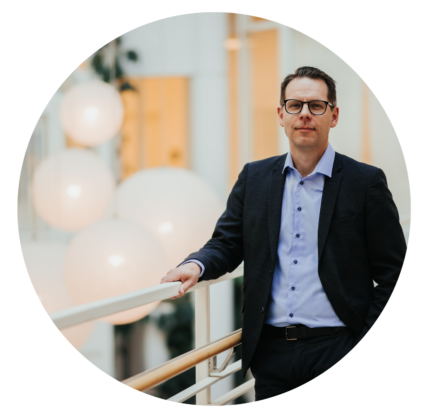
Hans Erik Næss is a Professor of Sport Management at Kristiania University of Applied Sciences, Oslo, Norway. His research focuses on governance, organization, and culture, and he is principal investigator for the project ‘Speaking for the horse.
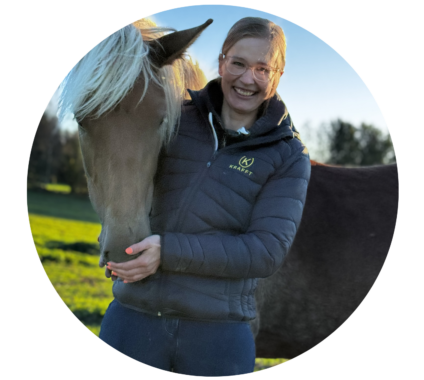
Tiina Seppälä is a PhD researcher specializing in horse nutrition, with a particular focus on supporting hindgut health. Alongside her academic research, she works as a Nutrition Expert at Lantmännen Krafft, where she combines scientific knowledge with extensive practical experience in equine feeding and management. Her strong interest in horse welfare is reflected in her studies as well as her work with the Finnish Equestrian Federation’s Horse Welfare Working Group.
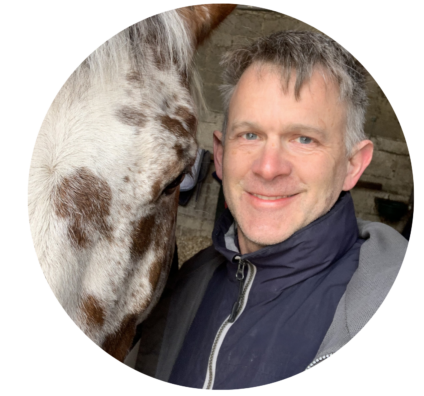
Malcolm Morley BVSc FRCVS is Director of UK at World Horse Welfare, where he leads the charity’s rescue, rehabilitation, rehoming and welfare-support work across the UK. An experienced equine veterinary surgeon and senior leader, he has held prominent roles within the veterinary profession, including serving as President of the British Veterinary Association.
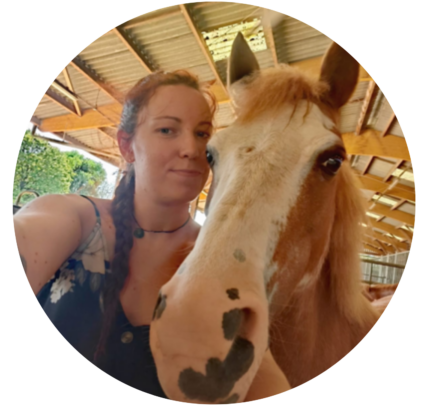
Océane Liehrmann,a postdoctoral researcher in animal behaviour and welfare, affiliated with the Swedish University of Agricultural Sciences (SLU) in Alnarp and the University of Turku, Finland, where I completed my PhD studying human–animal relationships in working animals including elephants, horses, and reindeer. My research explores the cognitive and emotional lives of animals and how human–animal interactions shape welfare and safety. I am now, also using tools such as EEG, infrared thermography, and AI to develop non-invasive ways of understanding animal emotions. I also study the human side of these relationships, looking at how horse owners’ personality and attachment styles influence how they house and manage their horses, because improving welfare often starts with understanding the people caring for the animals.
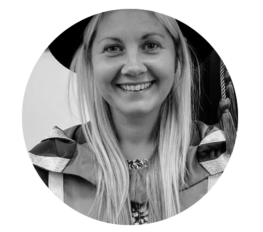
Dr Kelly Yarnell is Principal Lecturer in Equine Health and Welfare at Nottingham Trent University. Her research has a particular focus on housing, management and evidence-based welfare improvement. She is an award-winning researcher and science communicator, recipient of the British Horse Society Equine Welfare Award (2025), and works internationally to promote practical welfare solutions for horses. Kelly will be presenting research exploring the gap between welfare ideals and everyday practice in horse management.
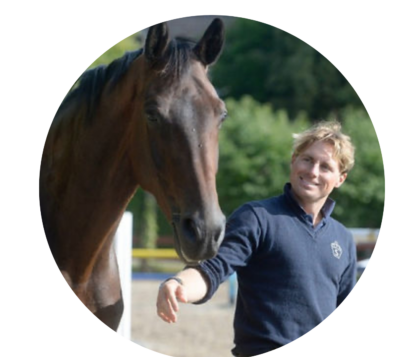
William Nilson Fryer has worked professionally with animal training for 25 years, primarily with horses but also with dolphins. He has trained several horses to international 4- and 5-star level in eventing and has studied learning psychology. Today, alongside training horses, William coaches riders across disciplines, helping them better understand how horses learn and how this knowledge can be applied in training. He also has specialised expertise in addressing behaviour-related problems in horses with medical diagnoses.